Practical guide
Hiking in Switzerland: a guide for Canadian travellers
You hike at home, in the Laurentians, Charlevoix, the Appalachians or the Rockies, and you dream of Swiss trails? Here is what you need to know to plan your first hiking trip to Switzerland.
Published on 2 October 2026 · 2 min read
The Alps or the Jura?
Most people think of the Alps first, with their glaciers and peaks of more than 4,000 m. They are magnificent, but demanding: steep slopes, exposed sections, high-altitude huts. For a first trip, or for walkers at an easy to moderate level, the Jura is often a better choice: a gentle range between 500 and 1,700 m, with long ridges that are easy to follow and the Alps as a backdrop.
The Swiss Jura is French-speaking, from the Franches-Montagnes to Geneva: Quebecers will feel at home, and a few words of Swiss French go a long way for everyone else. Start with “bonjour” and “merci”. Numbers change: 70 is “septante”, 90 is “nonante”, and in the canton of Vaud 80 is “huitante”. Your mobile phone is a “natel”, the station is “la gare” and a ticket is “un billet”. On menus, “dîner” is lunch and “souper” is the evening meal.
Getting to Switzerland from Montreal
From summer 2027, a direct Air Canada flight links Montreal with EuroAirport Basel-Mulhouse four times a week, from mid-June to the end of October. The airport is an hour from the first trails of the Jura, which makes it the most convenient gateway. Geneva and Zurich are the other options, all year round. Switzerland is six hours ahead of Montreal, and more if you live further west.
Getting around: the train first
There is no need to hire a car. Swiss trains serve almost every village, with connections timed to meet buses and boats. A walk can start at one station and finish at another, or be cut short halfway. The Swiss Travel Pass or the Half Fare Card make getting around simpler and cheaper.
Following the waymarks
Swiss trails are among the best waymarked in the world. Yellow signposts give the direction and the walking time to the next places; yellow diamonds confirm the path. On mountain trails, which are steeper, the waymarks are white-red-white. With a route book and the GPX track on your phone, you won't get lost.
Where to stay
In the Jura, you sleep in a village hotel, a country inn or a mountain inn, usually on half board: breakfast and dinner included. On an inn-to-inn trip, your luggage is carried from one place to the next; you walk with just a daypack.
When to go
From June to mid-October for hiking, with a soft spot for September and October, which are quieter and full of light. From December to March, the Jura is explored on snowshoes.
Safety
- The European emergency number is 112; Rega, the Swiss air rescue service, answers on 1414.
- Set off early, carry water and a warm layer, and check the forecast the evening before.
- Travel insurance covering medical care, rescue and repatriation is essential: Quebec's RAMQ only reimburses emergency care abroad up to Quebec rates, well below Swiss costs, and if you live in another province, check what your provincial health plan covers.

Bernese, Neuchâtel and Vaud Jura
The Grand Traverse of the Jura crests
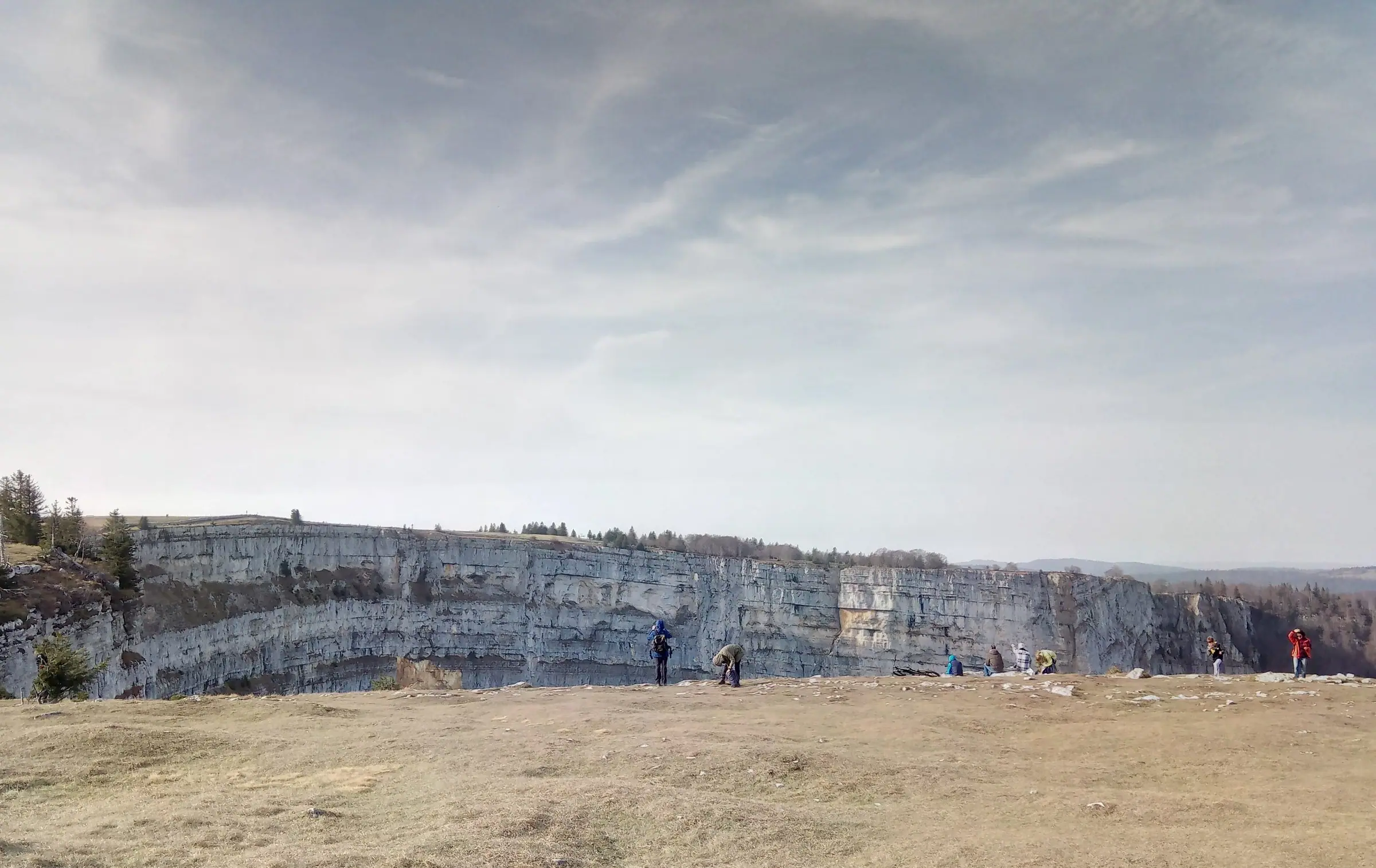
Eight days from hotel to hotel, from Chasseral to the Creux du Van and on to Vallorbe, on the Jura's most famous trail. Your luggage is waiting for you every evening.
8 days, 7 nights · Hotel to hotel · moderateDiscover the walk
Franches-Montagnes and Clos du Doubs
Franches-Montagnes and the Doubs gorges, at an easy pace
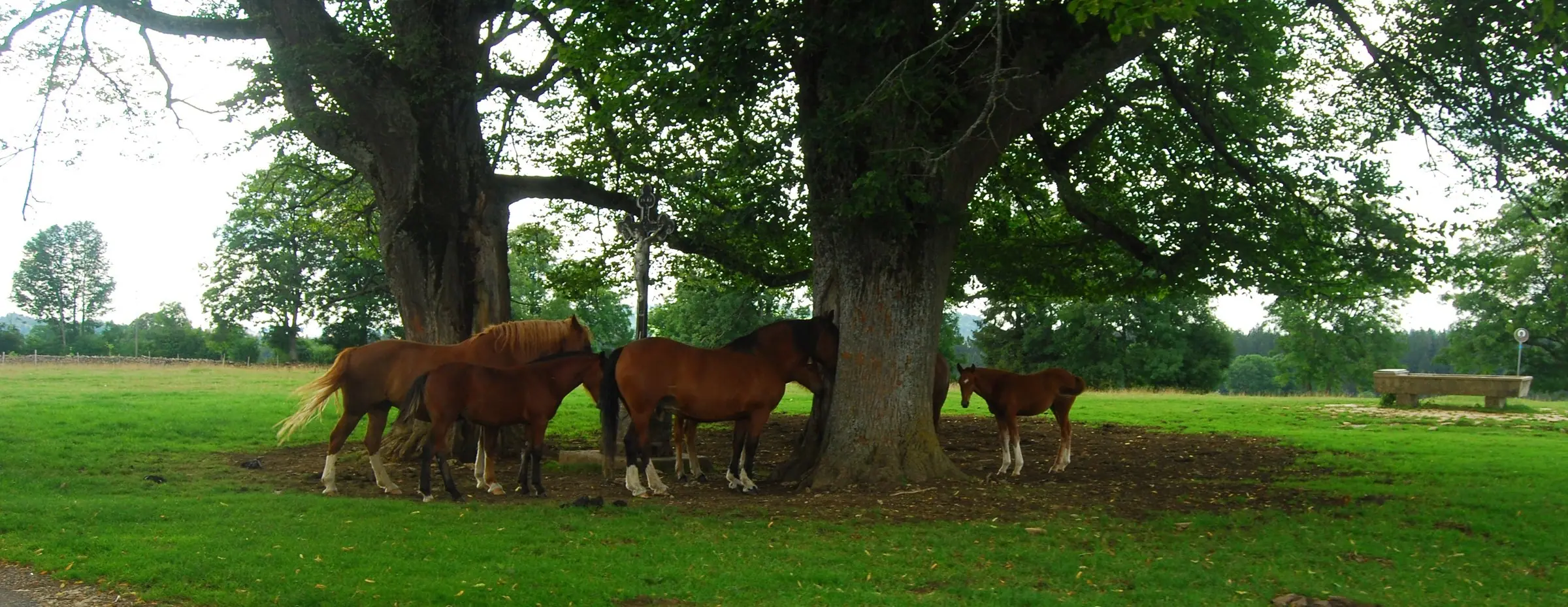
Six unhurried days, from wooded pastures where horses graze to the little medieval town of Saint-Ursanne, following the Doubs. Your luggage travels without you.
6 days, 5 nights · Hotel to hotel · easyDiscover the walk
Canton of Neuchâtel
From the Creux du Van to Lake Neuchâtel
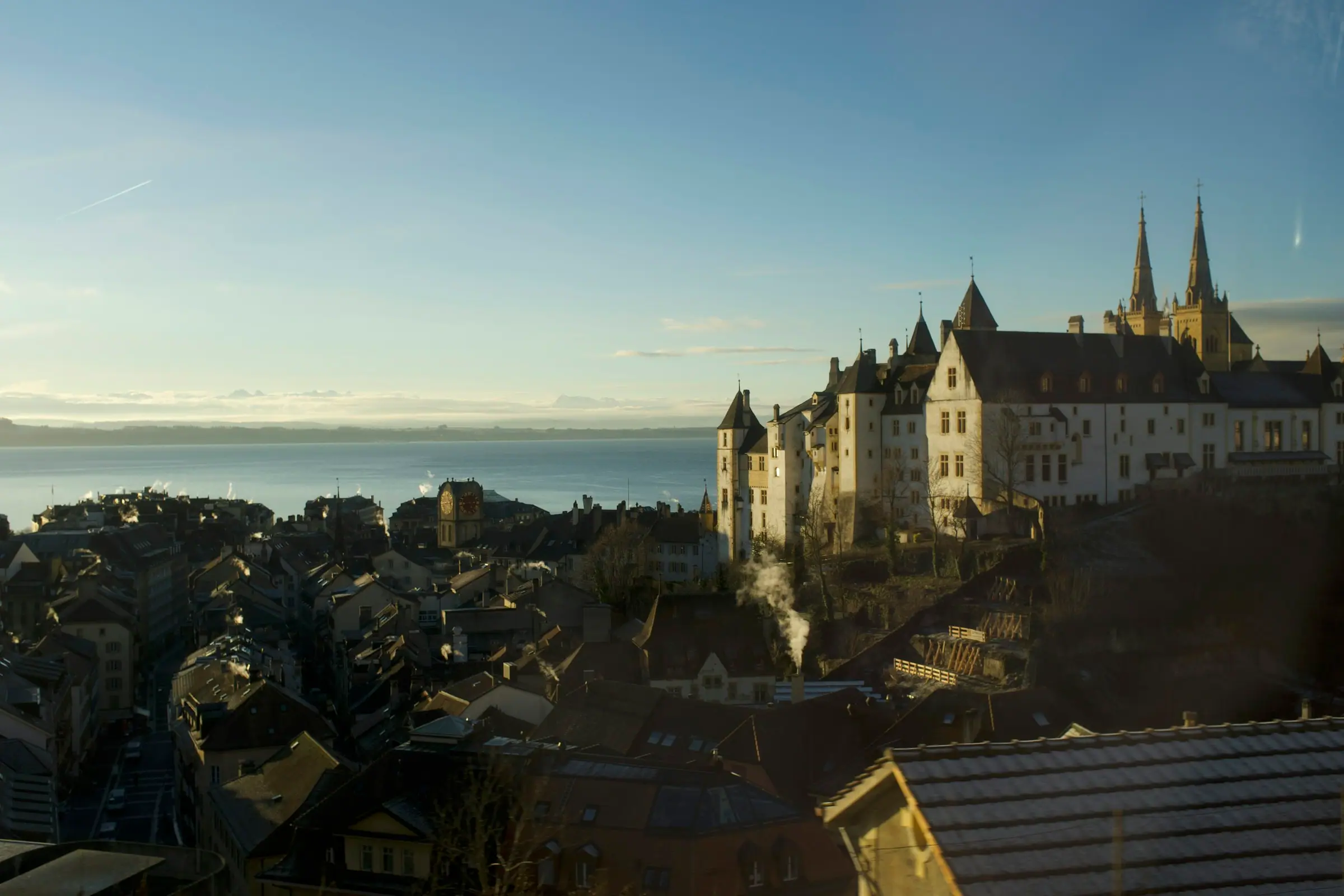
Five days in the same lakeside hotel: every morning, a regional train drops you at the start of the walk. The Areuse gorges, the cirque of the Creux du Van, then the vineyards sloping down to the lake.
5 days, 4 nights · Single base · moderateDiscover the walk
Your trip
A question, a plan?
Write to us: we reply in English or French, with no obligation.